Classic Blody: A Delicate Script Font
There I was, staring at a blank brand board, trying to find the right visual voice for a new boutique skincare line. The client wanted something soft, approachable, and elegant—something that felt personal but still professional. That’s when I reached for Classic Blody, a delicate and elegant handwritten font that quickly became my go-to.
What Makes Classic Blody Unique
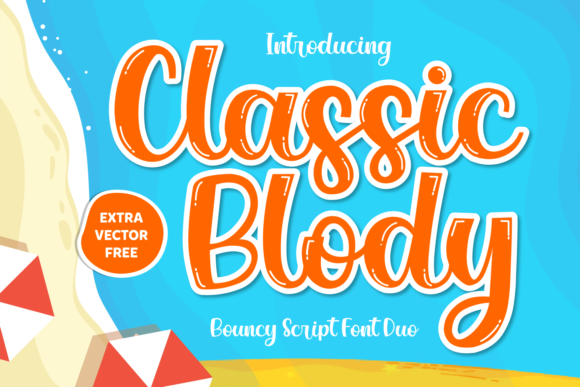
Classic Blody is a script typeface with a distinct personality. Its well-rounded letters and flowing curves give it a sense of warmth and grace. It doesn’t shout; it whispers. This makes it ideal for brands that want to convey sophistication without being too formal. The font has a natural, handcrafted feel, which adds a human touch to any design.
One of the first things I noticed was how versatile it is. It works beautifully in both digital and print formats. On a logo draft, it added a refined edge without overwhelming the design. On a packaging mockup, it gave the product a sense of care and attention to detail.
Testing Classic Blody in Real Projects
I tested Classic Blody across several branding elements. In a business card layout, it brought a subtle elegance that complemented the minimalist design. For a website header, it stood out as a strong yet gentle focal point. On social media graphics, it added a personal flair that made the content more engaging.
When paired with a serif font like Playfair Display, Classic Blody created a balanced contrast that felt both modern and timeless. With a sans serif like Montserrat, it offered a clean, contemporary look that still maintained its unique character.
Where Classic Blody Shines
Classic Blody excels as a display or headline font. It’s perfect for logos, headings, and short phrases where visual impact matters. Its fluidity makes it ideal for creative studios, handmade shops, and boutique brands looking to stand out without being too flashy.
It also works well on shop signs and product labels. The rounded shapes make it easy to read from a distance, while the softness gives it an inviting feel. In editorial design, it can be used to highlight key points or add a decorative touch to layouts.
Limitations and Considerations
While Classic Blody is a premium font, it’s not suited for long body text. Its intricate details can become difficult to read at smaller sizes, especially in printed materials. For this reason, it’s best used as an accent or supporting typeface rather than a primary text font.
It also may not be the best choice for formal corporate branding. Its casual, handwritten style could come off as too informal for certain industries. However, for creative or lifestyle brands, it offers a refreshing alternative to more rigid typography.
Practical Tips for Using Classic Blody
Before using Classic Blody in client work, I recommend testing it across different mediums. Try it on a mockup, a business card, and a website header to see how it performs in real-world scenarios. Pay attention to how it looks in both light and dark backgrounds, as well as in various sizes.
Check the font’s available weights and styles. Some script fonts have multiple versions that offer more flexibility. Also, consider the licensing terms. Make sure you understand what you can and cannot do with the font, especially if it’s for commercial use.
If you’re pairing it with other fonts, aim for balance. A strong serif or sans serif can help ground the design, while a complementary script can add visual interest. Avoid overusing it—less is often more when working with expressive typefaces.
Final Thoughts on Classic Blody
Classic Blody is a standout font that brings a sense of refinement and warmth to any project. Its delicate curves and elegant form make it a favorite among designers looking for a personal, handcrafted touch. Whether you're working on a boutique identity, a skincare brand, or a handmade shop, this font offers a unique way to express your brand’s personality.
As part of the Script Amp collection, Classic Blody fits seamlessly into modern typography systems. It’s a great addition to any designer’s toolkit, especially for those who value style, versatility, and character in their type choices.